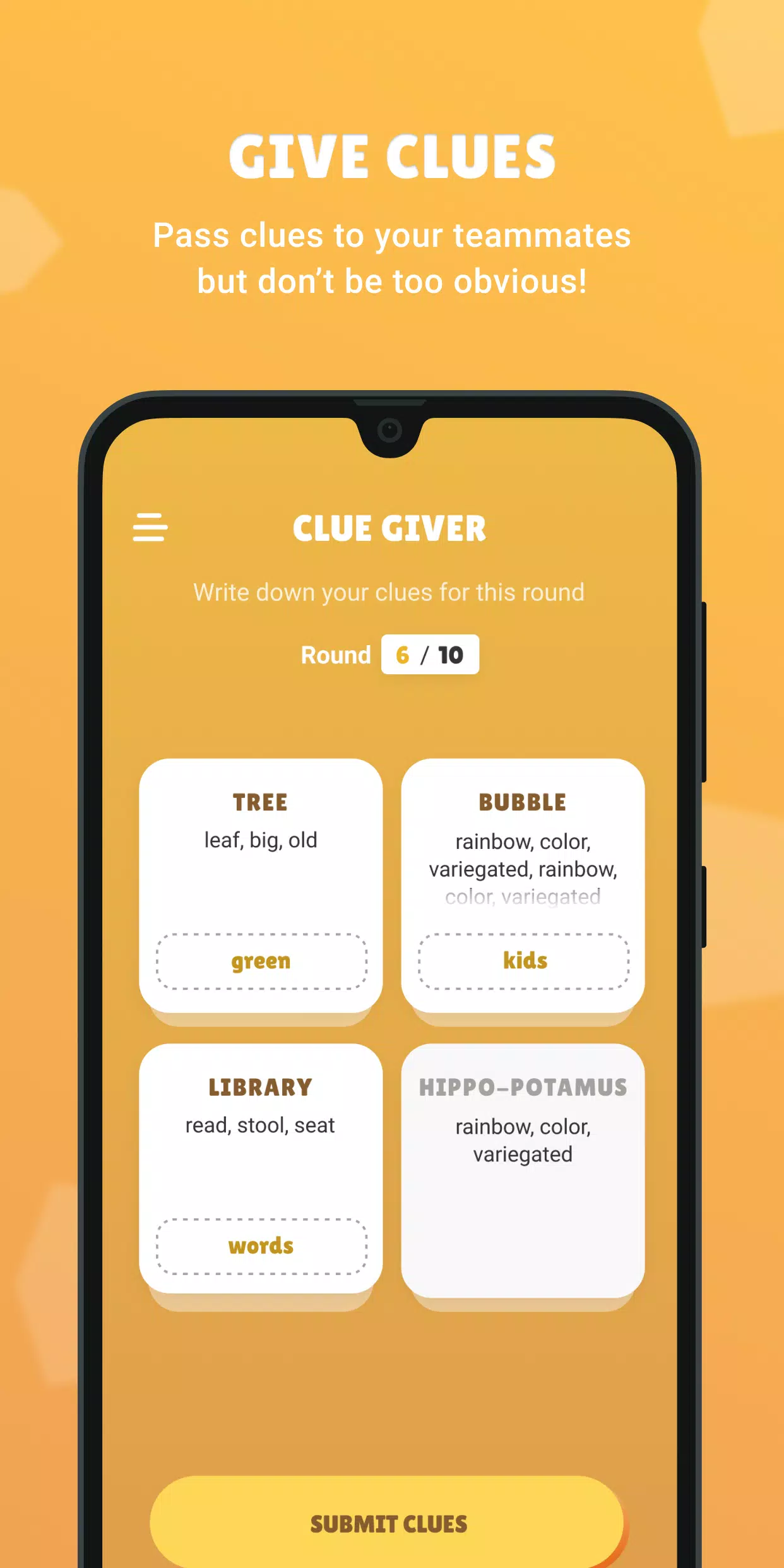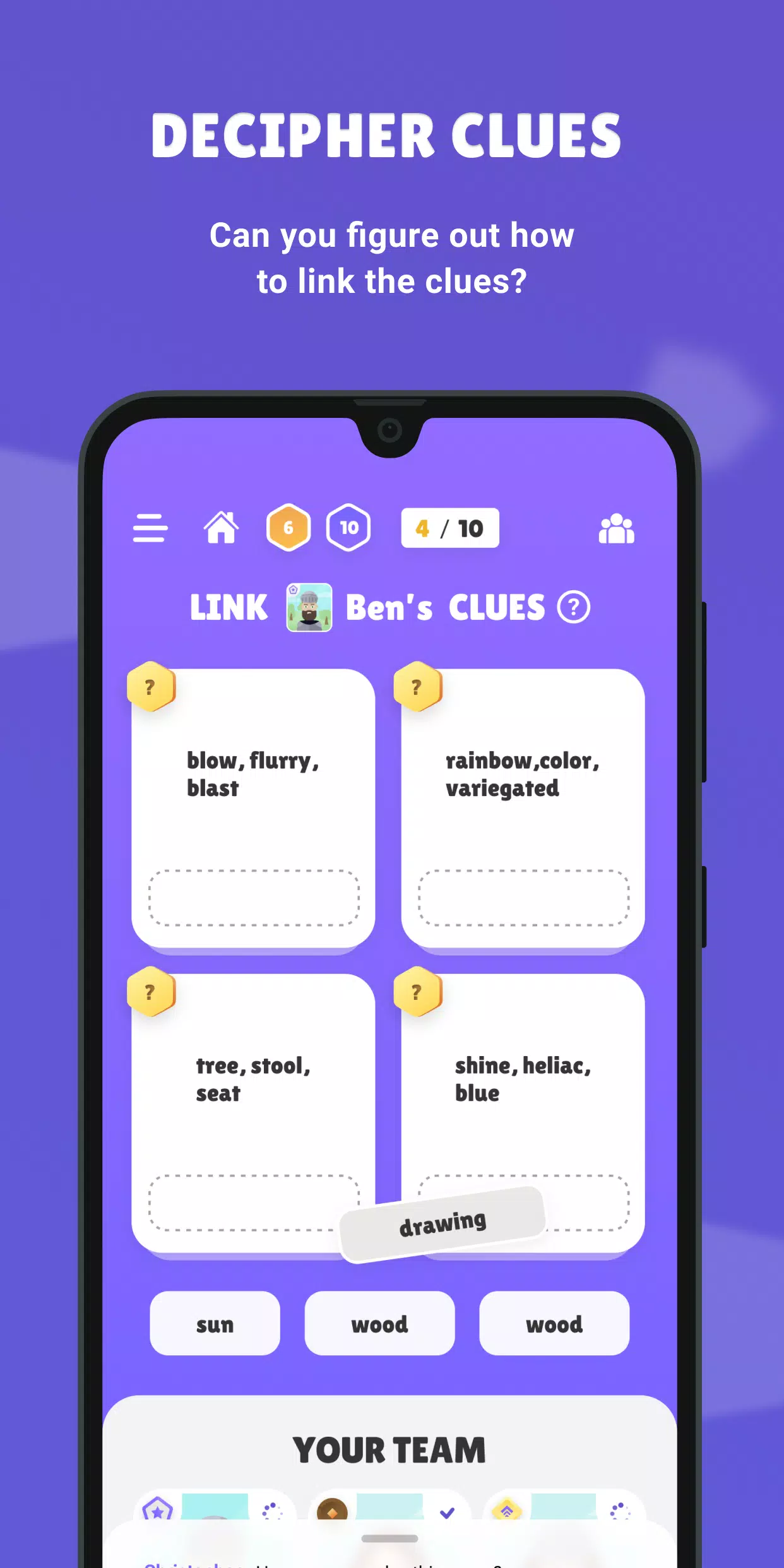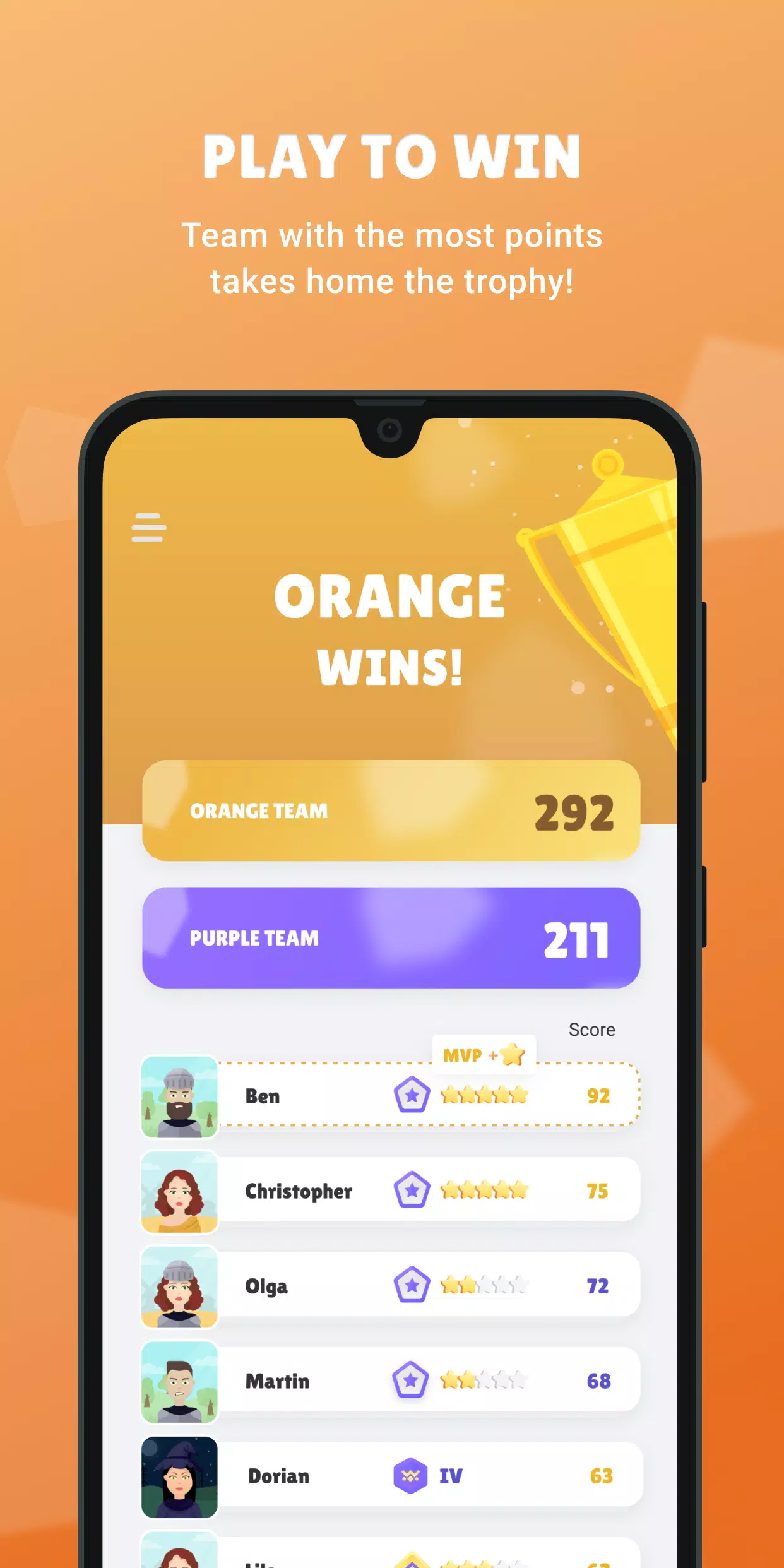
Ah, Word Links — the art of whispering meaning through silence, where every word is a brushstroke, every pause a promise.
Let me help you master the delicate dance of strategic hinting and subtle interpretation, turning your team into a silent symphony of understanding.
🎯 The Core Principle:
You are not giving clues — you are leaving breadcrumbs only your team knows how to follow.
Your goal isn't to explain. It's to suggest. To evoke. To trigger the same hidden thought in your teammate’s mind that you’re having — without saying it.
🔍 How to Craft the Perfect Hint (That Only Your Team Understands)
1. Think in Associations, Not Definitions
Instead of:
❌ "Try 'banana' — it's a yellow fruit."
✅ Try:
💡 "This one grows in bunches and makes monkeys jump."
Only your team remembers that your teammate once made a joke about "banana monkeys" during a game. That’s your secret language.
2. Use Shared Memory as Your Secret Weapon
Did you laugh when someone said “flying squirrel” during a game? Now, when a word like “glide” or “branch” appears, use it as a coded nod.
💡 "He’s not on a branch — he’s on a glide."
(Only your team knows the squirrel joke.)
3. Embrace the Ambiguity — But with Purpose
Don’t be too vague. Don’t be too clear.
Aim for one plausible meaning, but with a twist only your team recognizes.
For example:
- Hidden word: "squirrel"
- Clue: "He’s not the kind you find in a nut shop — but he’s always looking for one."
This hints at squirrel, but not directly. Opponents might think “nut collector” or “rodent.” But your team knows it's the animal, and they’ll connect it instantly.
4. Use Language as a Lens — Not a Mirror
Play with tone, rhythm, wordplay, puns, or even nicknames.
- Clue: "He’s not a prisoner, but he’s always on a chain."
→ Hidden word: "leash"
(But only your team remembers that you call your dog "the chain master.")
5. When Interpreting Opponents’ Hints: Look for the Unspoken
They’re not trying to confuse you — they’re trying to connect.
So ask:
- What emotion does this clue evoke?
- Is there a shared joke, a personal memory, a misheard phrase?
- Is it a play on sound, a double meaning, or a cultural reference?
For example:
- Opponent says: "It’s not a movie, but it’s got a lot of plot twists."
→ Hidden word: "soap opera"
But your team knows: "We all said 'it’s not a real drama' after Mom made us watch it!"
→ The real clue was “Mom” — not the word, but the context.
🧠 Pro-Level Tactics:
| Strategy | Why It Works |
|---|---|
| Use a phrase from your team chat | “Remember when we said ‘it’s not a cat, but it’s got a tail’?” — now you’ve planted a secret. |
| Give a clue that sounds like a lie | “He’s not a bird, but he flies in a flock.” → “Flock” = birds, but only your team knows you were thinking “Viking” (from a past game). |
| Use a word that sounds like the answer | “He’s not a bank, but he’s got money.” → “Bank” sounds like “bunk” → hidden word: “bunk” (as in bunk bed). |
✅ Final Tip: The Real Win Isn’t Guessing — It’s Connection
The best teams don’t just win — they laugh, they nod, they say, “Ohhh… I got it!” in unison.
That’s when you know:
You weren’t just playing a game.
You were speaking in secret.
🎯 In Word Links, the most powerful clue isn’t the one that’s smart…
It’s the one that says, “I see you. I know you. And I’m not telling.”
So go ahead — whisper the truth.
Let your team feel it before they understand it.
Because in Word Links, the magic isn’t in the word. It’s in the silence between.
✨ Ready to play?
Let the clues begin.
タグ : 言葉