Your Complete Guide to Acne – Updated for 2024
Acne is one of the most common skin conditions in the world, affecting people of all ages, genders, and skin types. While often associated with teenagers, acne can persist into adulthood or even appear for the first time later in life. Understanding the root causes, types, and effective treatments is the first step toward achieving clearer, healthier skin.
🌟 What Is Acne?
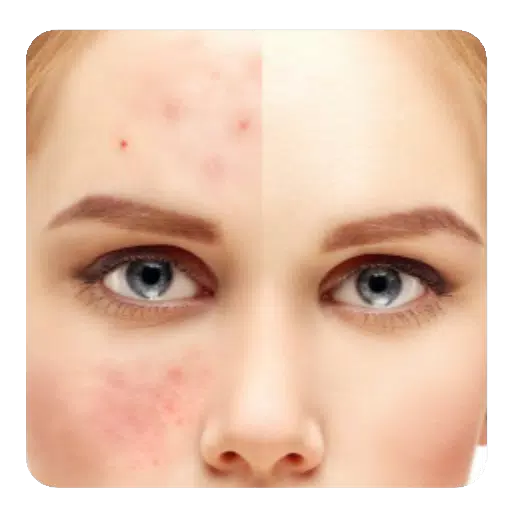
Acne is a chronic inflammatory skin condition that occurs when hair follicles become clogged with oil (sebum), dead skin cells, and bacteria. This blockage leads to the formation of whiteheads, blackheads, pimples, cysts, and nodules.
🔍 Types of Acne
Knowing the type of acne you have helps determine the best treatment approach:
-
Comedonal Acne
- Types: Whiteheads (closed comedones), Blackheads (open comedones)
- Cause: Clogged pores due to excess sebum and dead skin cells
- Appearance: Small bumps, black or white dots
-
Inflammatory Acne
- Types: Papules, Pustules, Nodules, Cysts
- Cause: Bacteria (C. acnes) multiply in clogged pores, causing redness, swelling, and pus
- Appearance: Red, tender bumps (papules), pus-filled pimples (pustules), deep painful lumps (nodules/cysts)
-
Hormonal Acne
- Often appears along the jawline, chin, or lower face
- Flares up during menstruation, pregnancy, or hormonal imbalances (e.g., PCOS)
- Common in adults, especially women
-
Cystic Acne
- The most severe form
- Large, painful, pus-filled lumps under the skin
- High risk of scarring
- Requires medical treatment (e.g., isotretinoin, hormonal therapy)
🧫 What Causes Acne?
Acne is not caused by dirt or poor hygiene. It results from a combination of factors:
1. Excess Oil Production
- Hormones (especially androgens) stimulate sebaceous glands to overproduce sebum.
2. Clogged Pores
- Dead skin cells and oil combine to block follicles.
3. Bacteria
- Cutibacterium acnes (C. acnes) thrives in clogged pores, triggering inflammation.
4. Inflammation
- The immune system responds, causing redness, swelling, and pus.
5. Hormonal Fluctuations
- Puberty, menstrual cycles, pregnancy, stress, and conditions like PCOS.
6. Diet & Lifestyle
- High-glycemic foods, dairy, and high stress may worsen acne in some people.
7. Genetics
- Family history increases your risk.
8. Skincare & Haircare Products
- Oil-based or comedogenic products can clog pores.
🧴 How to Treat Acne: A Step-by-Step Approach
✅ 1. Gentle Cleansing
- Wash face twice daily with a mild, non-comedogenic cleanser.
- Avoid harsh scrubs—these can irritate skin and worsen acne.
✅ 2. Topical Treatments (Over-the-Counter)
- Benzoyl Peroxide (2.5%–10%): Kills bacteria, reduces inflammation. Start low to avoid dryness.
- Salicylic Acid (0.5%–2%): Exfoliates, unclogs pores. Best for blackheads and whiteheads.
- Retinoids (Adapalene 0.1%): Fights clogged pores, prevents new breakouts. Use at night.
💡 Tip: Apply a thin layer and build up usage gradually (e.g., 2–3 times per week).
✅ 3. Prescription Treatments (For Moderate to Severe Acne)
- Topical Retinoids (Tretinoin, Tazarotene) – Improve cell turnover
- Oral Antibiotics (Doxycycline, Minocycline) – Reduce bacteria and inflammation (short-term use)
- Hormonal Therapies (Birth control pills, Spironolactone) – For hormonal acne
- Isotretinoin (Accutane) – For severe, cystic acne (requires close monitoring)
✅ 4. Professional Treatments
- Chemical Peels – Exfoliate and clear pores
- Laser & Light Therapy – Reduces bacteria and inflammation
- Cortisone Injections – For large, painful cysts
- Extractions (by a dermatologist) – Safe removal of comedones
🚫 What Not to Do
- Don’t pick, pop, or squeeze pimples – This increases scarring and risk of infection.
- Avoid harsh scrubs and over-washing – Can strip natural oils and worsen irritation.
- Don’t use greasy makeup or skincare – Choose "non-comedogenic" labeled products.
- Avoid extreme diets or supplements – No proven acne cures in supplements unless under medical advice.
🌿 Lifestyle Tips to Support Clear Skin
- Eat a balanced diet: Focus on whole grains, vegetables, lean protein, and healthy fats. Limit sugary and high-dairy foods.
- Stay hydrated: Drink plenty of water to support skin health.
- Manage stress: Practice mindfulness, exercise, or yoga—stress worsens acne.
- Get enough sleep: Poor sleep disrupts hormones and weakens skin barrier.
- Wear sunscreen daily: Even if you have oily skin—sun damage can worsen scarring.
🧑⚕️ When to See a Dermatologist
Consider a visit if:
- Acne persists despite OTC treatment for 6–8 weeks
- You have cystic or nodular acne
- Acne is causing emotional distress or scarring
- You’re considering isotretinoin or hormonal therapy
Dermatologists offer personalized plans and prescription-strength treatments.
📌 Bonus: Acne Myths Debunked
| Myth | Truth |
|---|---|
| Eating chocolate causes acne | No strong evidence—though high-sugar diets may worsen it |
| Acne is caused by dirt | No—acne is internal, not due to poor hygiene |
| Popping pimples helps | No—can cause scarring and spread bacteria |
| Acne only affects teens | No—up to 50% of adults experience acne |
📱 Final Thoughts
Acne is treatable and manageable. With the right knowledge and consistent care, you can reduce breakouts, prevent scarring, and boost your confidence.
💬 Remember: Your skin is unique. What works for one person may not work for another. Be patient—results take time (4–8 weeks).
Stay informed. Be kind to your skin. And always consult a dermatologist for personalized care.
Last updated: April 2024 | Your Skin, Your Power
📌 Note: If you're using a mobile app, ensure you’ve updated to version 1.1 for bug fixes and performance improvements.
Mots clés : Beauté