Your Complete Guide to Acne – Updated April 8, 2021 (Version 1.1)
Struggling with acne? You're not alone. Millions of people worldwide deal with breakouts at some point in their lives—whether it's teenage acne, adult acne, or stubborn cystic pimples. But understanding why acne happens and how to manage it can make all the difference.
This updated guide covers everything you need to know to take control of your skin, from the science behind acne to effective prevention and treatment tips.
🌟 What Is Acne?
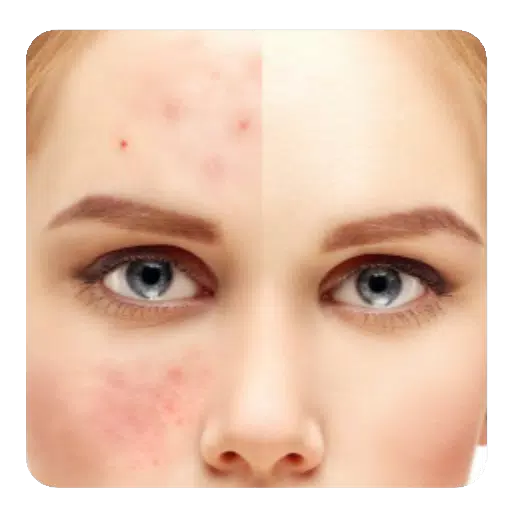
Acne is a common skin condition that occurs when hair follicles become clogged with oil and dead skin cells. This leads to the formation of whiteheads, blackheads, pimples, cysts, and sometimes even scarring.
It primarily affects the face, neck, chest, back, and shoulders—areas with the highest concentration of oil (sebaceous) glands.
🔬 What Causes Acne?
Acne develops due to a combination of factors:
-
Excess Oil Production
Hormonal changes (especially during puberty, menstruation, or pregnancy) stimulate oil glands to produce more sebum. Too much oil can clog pores. -
Clogged Pores
Dead skin cells mix with excess oil and block hair follicles, leading to blackheads (open comedones) or whiteheads (closed comedones). -
Bacteria (Cutibacterium acnes)
This naturally occurring bacteria can multiply in clogged pores, causing inflammation and red, pus-filled pimples. -
Inflammation
The immune system responds to trapped bacteria, leading to swelling, pain, and deeper breakouts like nodules and cysts. -
Hormonal Fluctuations
Fluctuating androgen levels (especially in women) often trigger acne before periods or during conditions like PCOS. -
Diet, Stress, and Lifestyle
While not direct causes, high-glycemic diets, dairy (in some people), stress, and poor sleep can worsen acne.
🧪 Common Types of Acne
| Type | Description | Appearance |
|---|---|---|
| Comedonal Acne | Clogged pores (blackheads & whiteheads) | Small bumps; blackheads look dark due to oxidation |
| Inflammatory Acne | Pimples caused by bacteria and swelling | Red, swollen papules and pustules |
| Nodular Acne | Large, painful, deep lumps under the skin | Hard, painful bumps that don’t drain easily |
| Cystic Acne | Severe form; pus-filled, deep cysts | Large, tender, often scar-prone |
✅ How to Prevent Acne
-
Cleanse Gently Twice Daily
Use a mild, non-comedogenic cleanser. Avoid harsh scrubs that irritate skin. -
Use Non-Comedogenic Skincare and Makeup
Look for products labeled “oil-free” and “won’t clog pores.” -
Moisturize Daily
Even oily skin needs hydration. Choose lightweight, oil-free moisturizers. -
Apply Sunscreen Every Day
UV rays can worsen acne and lead to hyperpigmentation. Use a non-comedogenic sunscreen (SPF 30+). -
Avoid Touching Your Face
Hands transfer oil, dirt, and bacteria. Resist picking or squeezing pimples. -
Manage Stress
Try meditation, exercise, or therapy to reduce stress-related breakouts. -
Watch Your Diet
Reduce intake of high-glycemic foods (sugary snacks, white bread) and excess dairy if you notice a pattern. -
Change Your Pillowcase Regularly
Dirt and oil build-up on fabrics can transfer to your skin overnight.
💊 Effective Acne Treatments
Over-the-Counter (OTC) Options:
- Benzoyl Peroxide (2.5%–10%): Kills bacteria and reduces oil. Use daily (start low to avoid dryness).
- Salicylic Acid (0.5%–2%): Exfoliates and unclogs pores. Great for blackheads and whiteheads.
- Tea Tree Oil (5%–10%): Natural anti-inflammatory with antibacterial properties (patch test first).
Prescription Treatments:
- Topical Retinoids (tretinoin, adapalene): Prevent clogged pores and promote cell turnover.
- Oral Antibiotics (e.g., doxycycline): Used short-term for inflammatory acne.
- Hormonal Treatments (e.g., birth control pills, spironolactone): Effective for women with hormone-driven acne.
- Isotretinoin (Accutane): For severe, treatment-resistant cystic acne. Requires close monitoring.
🚫 Things to Avoid
- Picking or popping pimples – Can cause scarring and spread bacteria.
- Over-washing or scrubbing – Can irritate skin and worsen breakouts.
- Using oily or heavy skincare products – These can clog pores.
- Skipping sunscreen – Can cause post-inflammatory hyperpigmentation.
🌈 When to See a Dermatologist
Consider a professional if:
- Your acne is severe (cysts, nodules, scarring).
- OTC treatments aren’t working after 6–8 weeks.
- You’re experiencing emotional distress or low self-esteem due to acne.
- You suspect hormonal acne (especially if breakouts occur monthly).
Dermatologists can personalize treatment plans and help prevent long-term scarring.
✅ New in Version 1.1 (Updated April 8, 2021)
- Minor bug fixes for smoother navigation
- Improved readability and layout
- Updated skincare ingredient safety tips
- Expanded section on acne and mental health
📌 Final Tips
- Be patient—most treatments take 4–8 weeks to show results.
- Consistency is key. Stick with your routine, even when breakouts improve.
- Remember: Acne is not a reflection of your hygiene or worth.
💙 You’ve got this. With the right knowledge and care, clearer, healthier skin is within reach.
👉 Download or update to the latest version now to get the most up-to-date, expert-backed advice.
Your Complete Guide to Acne – Because Everyone Deserves to Feel Confident in Their Skin.
タグ : 美しさ