
Token representation of queer characters in cinema simply isn't enough anymore. While we've thankfully moved beyond portraying LGBTQIA+ individuals as monstrous villains solely for their difference, authentic multidimensional roles remain scarce. Complex characters - whether humorous, chaotic, or deeply flawed - benefit storytelling while properly representing queer experiences. We spoke with horror genre stars about why this matters for entertainment.
At IGN Live in LA this June (Pride Month), our Pride Panel: Queer Horror Corner featured filmmaker Michael Varrati and actress Nicole Maines discussing queer cinema's evolution and future aspirations. Between thoughtful discussions and humor ("What character would you rewrite as queer?"), we showcased emerging queer creators and exclusive content.
The Necessity of Nuanced Queer Representation
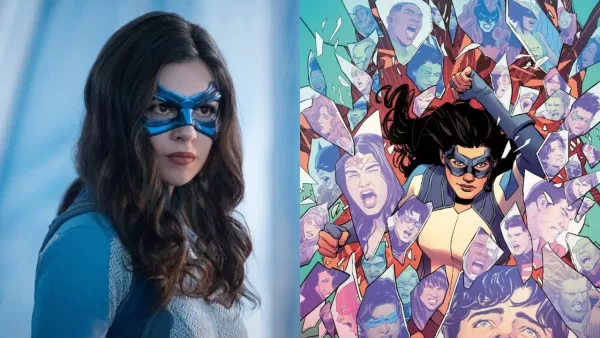
"We need queer characters allowed to be messy humans," emphasized Maines during our panel. The Supergirl star reflected on portraying Dreamer: "Her trans identity wasn't her defining trait - she was a narcoleptic hero struggling with powers. That normalcy matters."

"Queer people experience anger and sadness too - not just pride," added Varrati. "True representation means showing our complete humanity, flaws included." Both creators stressed moving beyond trauma-focused narratives toward organic inclusion.
Industry Barriers and Creative Persistence
The true horror lies behind the scenes: gatekeepers claiming queer stories "aren't marketable." Both panelists shared funding struggles before self-producing passion projects. "Our stories deserve to exist now," Varrati stated about crowdfunding his zombie film.

"Audiences crave authentic representation," Maines noted. "Studios are realizing inclusion drives success." The solution? Varrati's blunt advice: "Go make the thing!"
Horror's Queer Roots and Future
"Horror has always been queer," Maines observed, referencing how LGBTQIA+ audiences resonate with themes of otherness. From Victorian lesbian vampires to modern final girls, the genre evolves while honoring its subversive history.

"The closet door's blown open," said Varrati about recent progress. Yet both emphasized needing more joyful, weird, and niche queer stories - including Maines' desired "lesbian Wicked sequel" and Varrati's horror musical dreams.
Recommended Queer Media
- T-Blockers (body horror satire) - Free on Tubi
- Paris Is Burning (documentary) - Streaming widely
- Disclosure (trans representation doc) - Netflix

Support queer creators year-round by exploring works like Maines' novels, Holder's Lavender Men, and Varrati's indie films while amplifying LGBTQIA+ organizations.