Japanese Prime Minister Shigeru Ishiba addressed concerns regarding Assassin's Creed Shadows during a recent government conference. While initial reports suggested criticisms toward Ubisoft's feudal Japan-themed game and its portrayal of sacred sites, the actual exchange proved less contentious.
IGN worked with our Japanese colleagues to accurately translate the dialogue and provide proper context. We've also reached out to Ubisoft for their official statement.
Leading up to Shadows' delayed launch, Ubisoft has issued multiple apologies regarding elements of the game and marketing that sparked controversy in Japan.
Critics highlighted historical inaccuracies in the game's depiction of feudal Japan, prompting the developers to clarify that the game represents historical fiction rather than factual documentation.
Ubisoft emphasized collaborations with historians while acknowledging lingering concerns: "Despite extensive consultations, we recognize certain promotional materials caused distress within the Japanese community. We sincerely apologize."
Additional controversy arose when Ubisoft used a Japanese re-enactment group's flag without permission in promotional artwork, resulting in another public apology.
Collectible manufacturer PureArts withdrew a Shadows statue featuring a one-legged Torii gate following complaints. These iconic shrine gates traditionally mark sacred spaces throughout Japan. The Nagasaki Sannō Shrine's surviving one-legged Torii holds particular significance as it stands 900 meters from the WWII atomic bomb hypocenter.
The accumulating controversies precede Shadows' launch, drawing criticism both domestically and internationally regarding cultural representation.
Japanese politician Hiroyuki Kada raised concerns during parliamentary proceedings: "Allowing virtual destruction of real-world sacred sites could inspire actual misconduct. While respecting creative freedom, we must prevent cultural disrespect."
Prime Minister Ishiba responded: "We'll consult relevant ministries regarding legal considerations. Cultural respect remains paramount - just as our peacekeeping forces studied Islamic customs before deployment to Iraq."
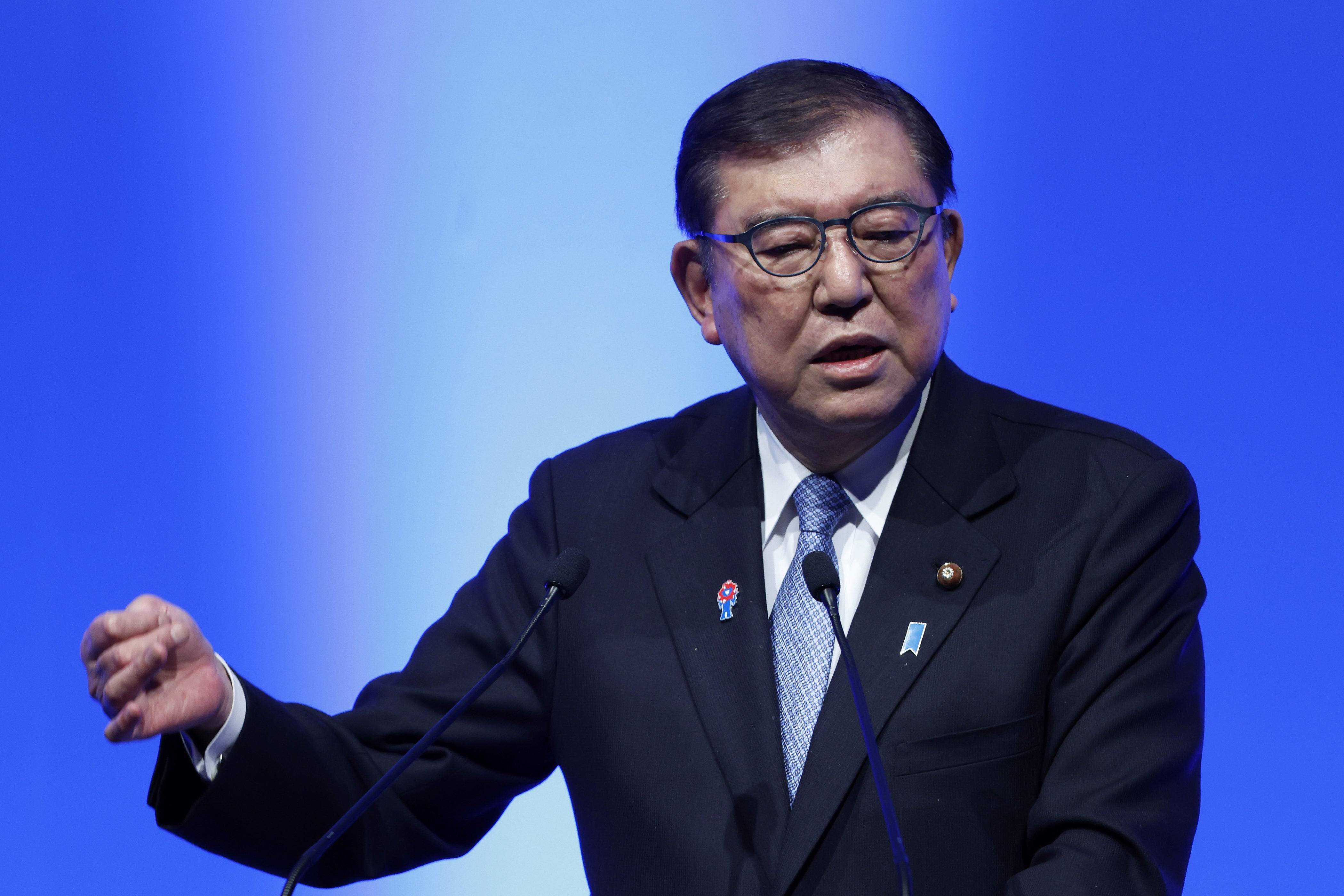
The debate occurs amid Japan's post-pandemic tourism boom and concerns about overtourism. Kada linked his gaming concerns to rising vandalism incidents nationwide, suggesting virtual violence might encourage real-world misbehavior.
Prime Minister Ishiba focused his remarks on hypothetical real-world actions rather than directly criticizing the game. At issue is the virtual depiction of Hyogo Prefecture's Itatehyozu Shrine within Kada's constituency, allegedly included without consultation.
While government officials indicated willingness to consult with affected shrines, legal experts note Ubisoft likely enjoys constitutional protections regarding artistic representation.
Ubisoft appears proactively addressing concerns through a day-one patch reportedly modifying shrine-related gameplay elements, demonstrating greater cultural sensitivity than critics acknowledged.
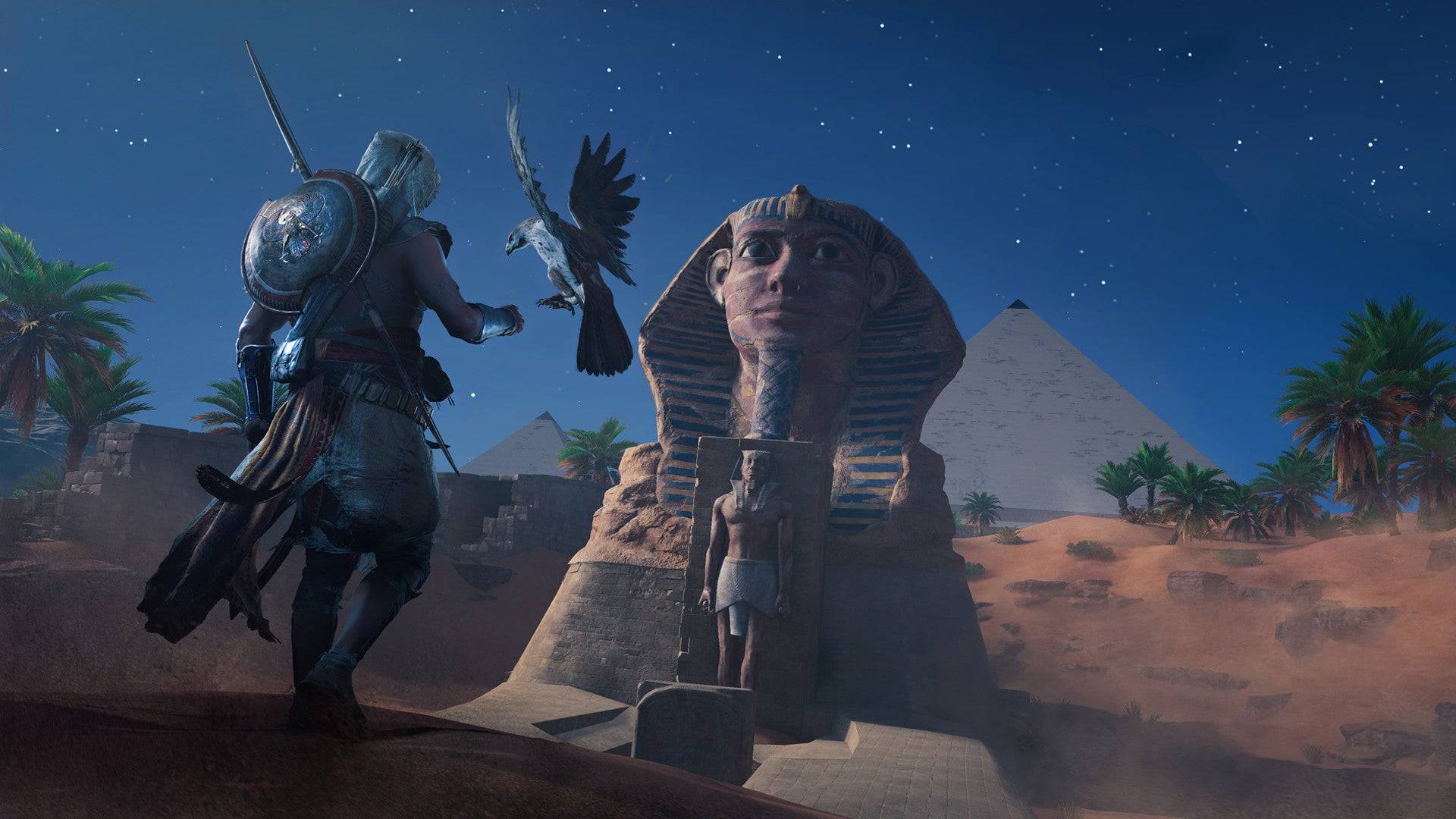
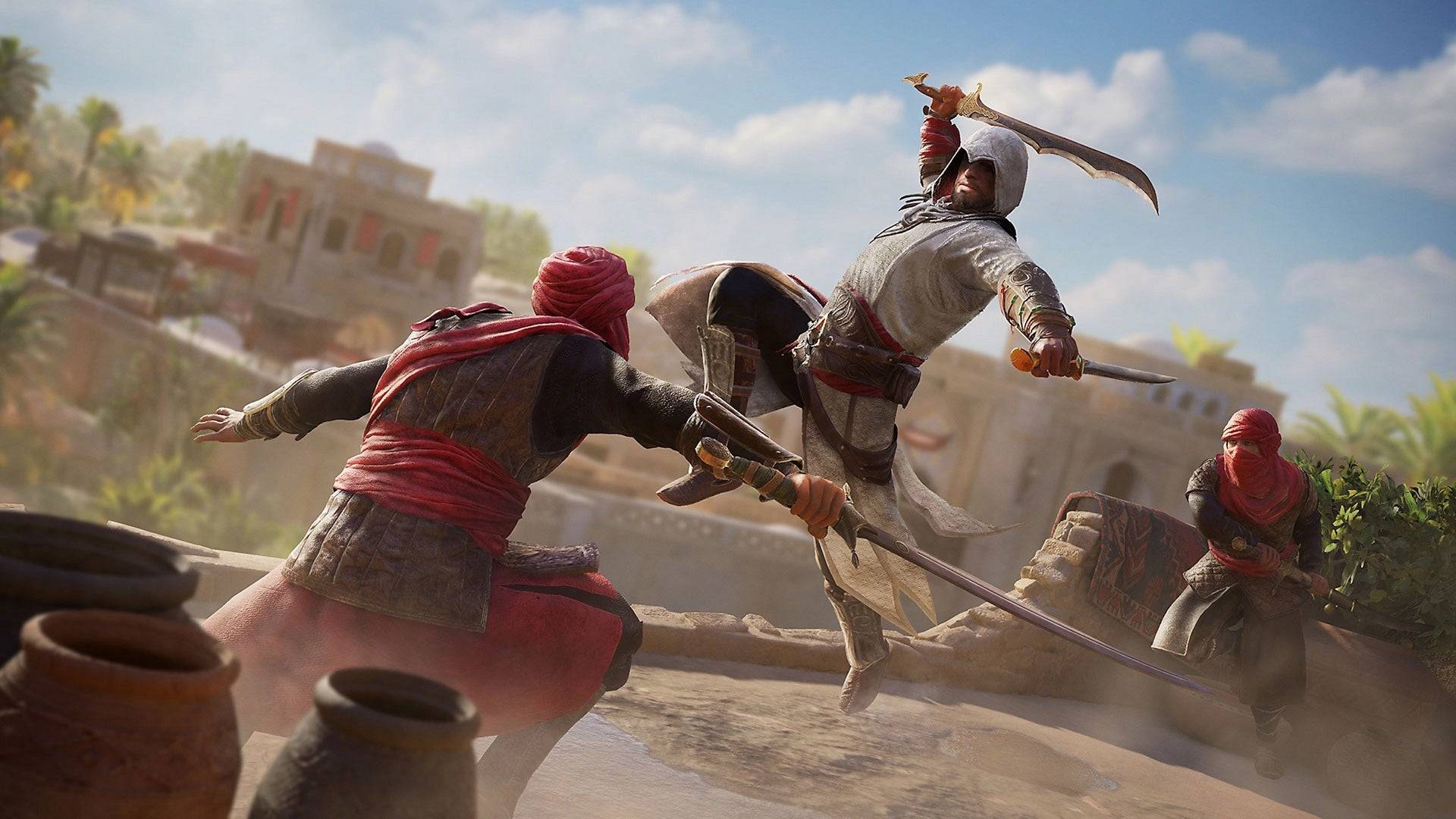
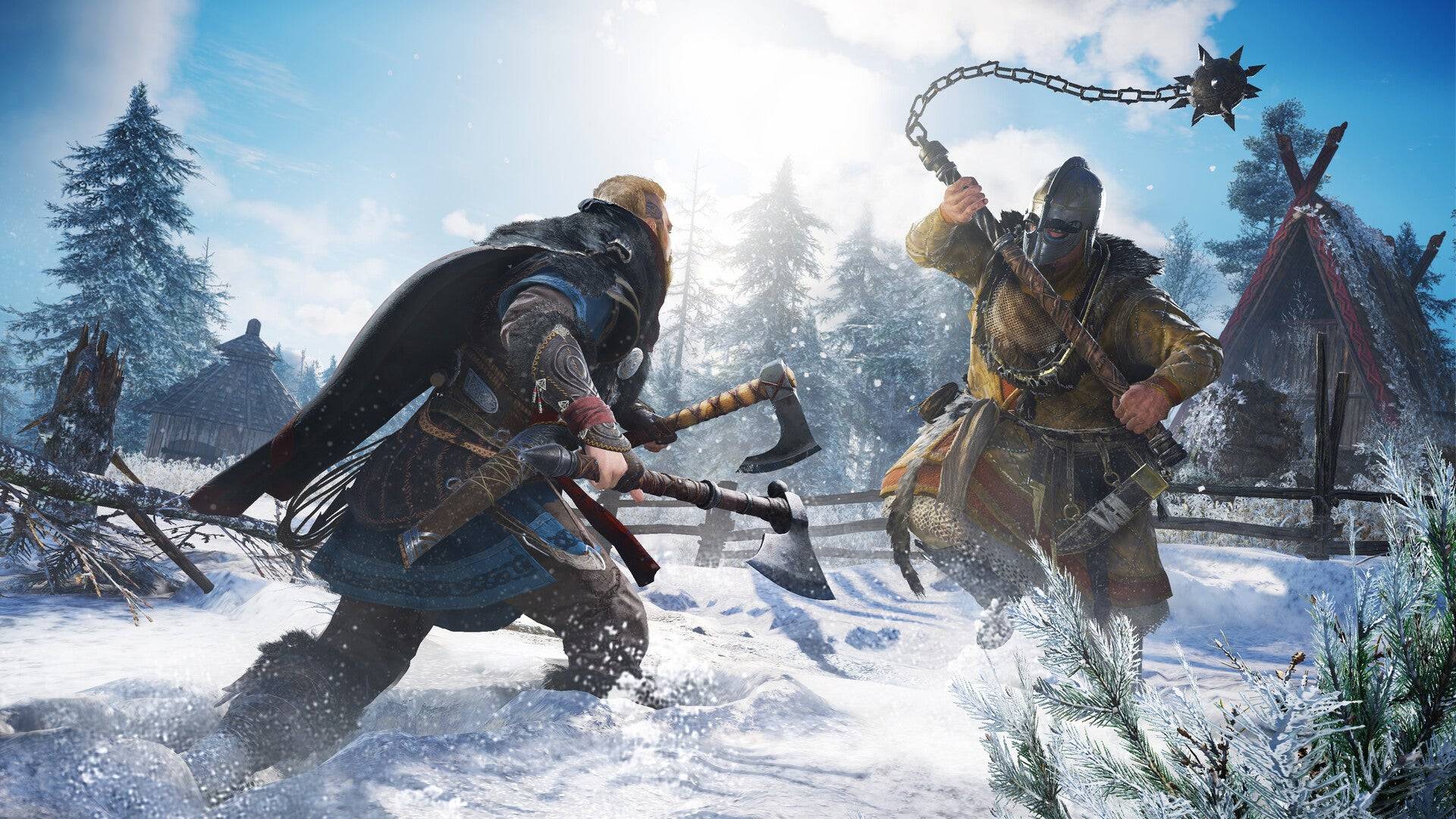
Complete Assassin's Creed Historical Timeline
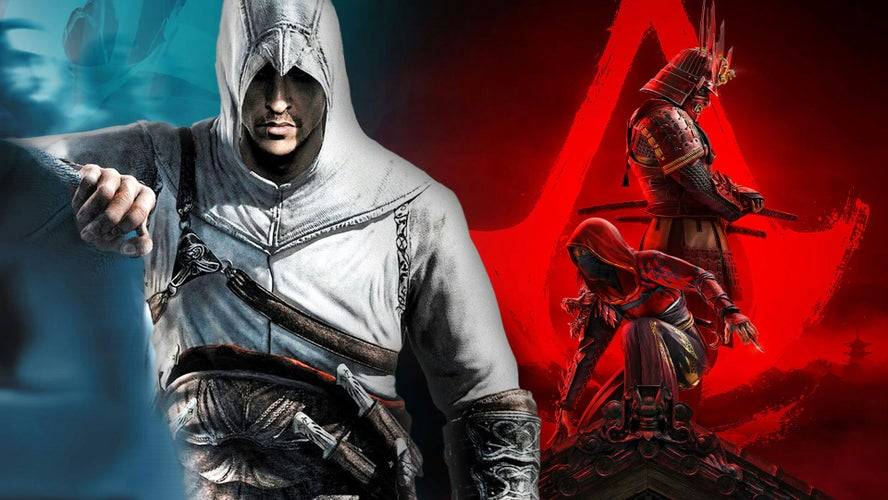
25 Images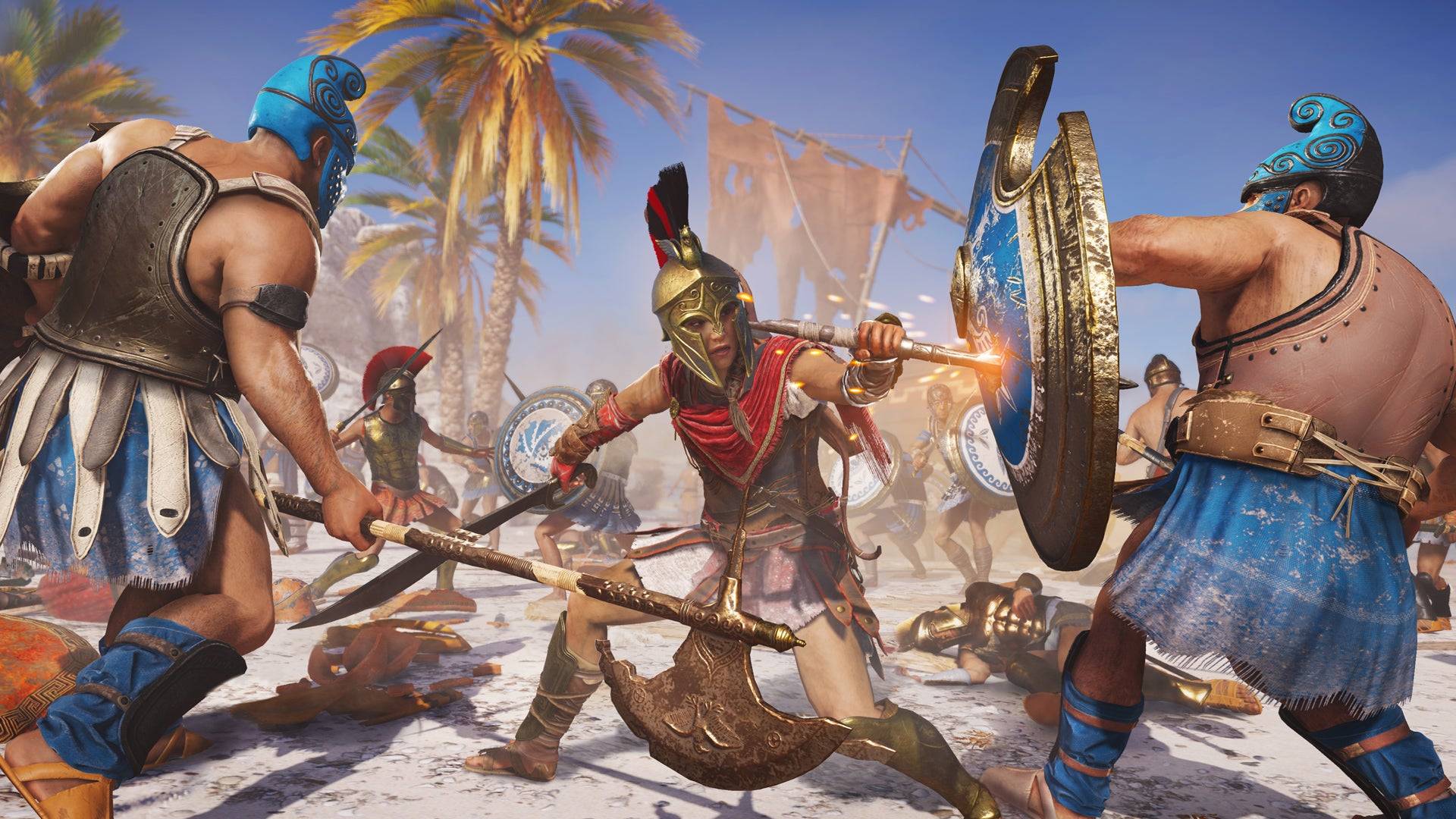
The patch, reportedly launching with the game on March 20, will make shrine furnishings indestructible and reduce unnecessary bloodshed depictions in sacred spaces. Ubisoft hasn't confirmed whether these changes apply globally or exclusively in Japan.
Assassin's Creed Shadows carries significant weight for Ubisoft following recent commercial disappointments including Star Wars Outlaws, organizational restructuring, and canceled projects.
IGN awarded Shadows 8/10, praising its refined open-world execution: "By perfecting established systems, this installment delivers one of the franchise's strongest iterations."